
One of India’s most geographically and culturally diversified states is Maharashtra. It provides visitors with the ideal fusion of history, spirituality, adventure, and scenic beauty, from the frenetic streets of Mumbai to the foggy valleys of Lonavala, from UNESCO World Heritage caves to tiger reserves. Maharashtra offers something different for everyone, whether they are history buffs, pilgrims, foodies, or environment lovers.
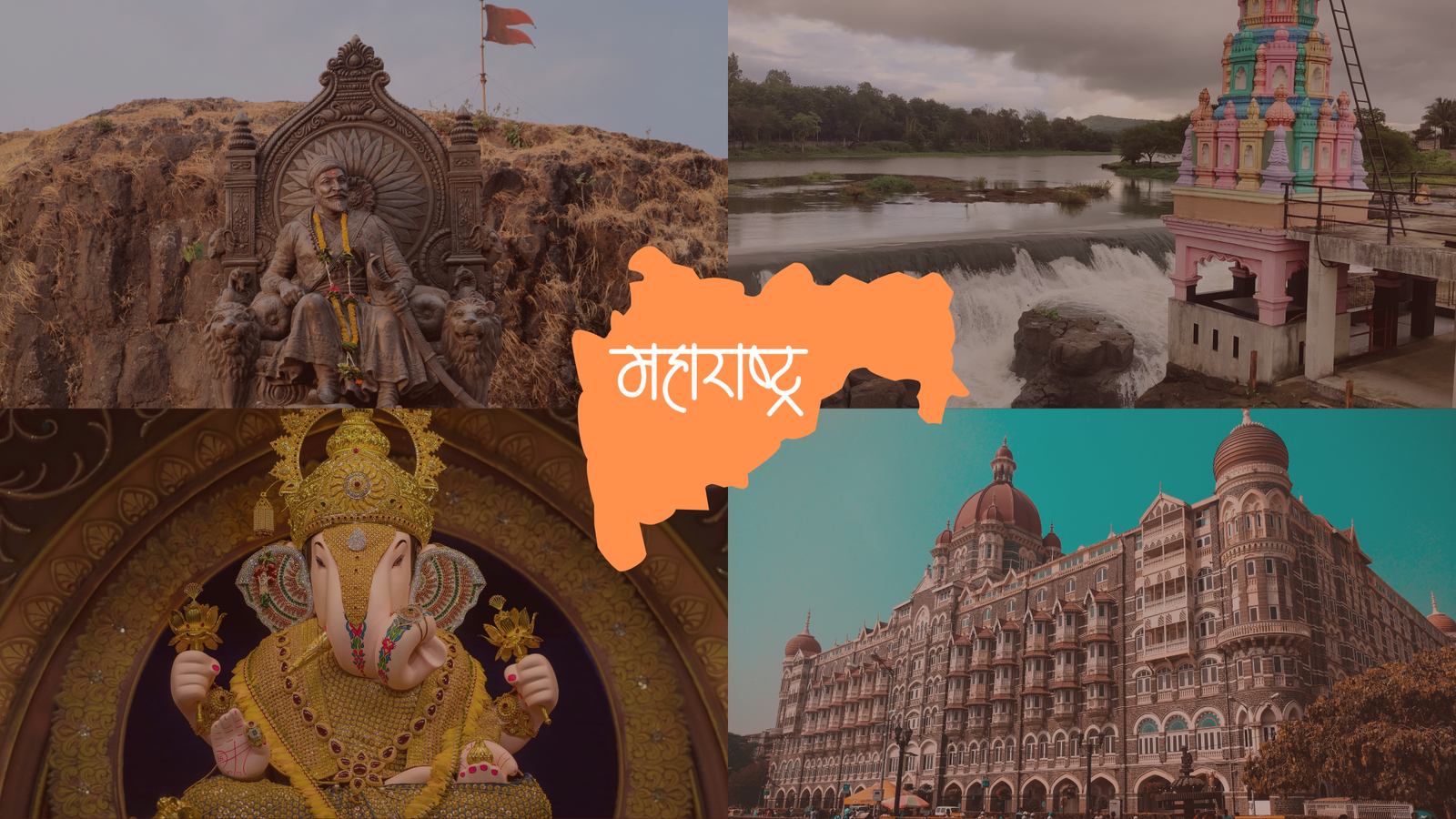
The top ten destinations in Maharashtra that every tourist should see are listed here.
1. Mumbai: The City of Dreams.
Best time to visit: November to February.
Mumbai, the hub of Maharashtra, is a dynamic city where history, elegance, and culture exist. The amazing Gateway of India stands proudly by the Arabian Sea, while Marine Drive provides a quiet evening walk with waves and a golden sunset. For those who love history, Chhatrapati Shivaji Maharaj Terminus is an architectural masterpiece, while Elephanta Caves highlight India’s old rock-cut creativity.
However, Mumbai is more than just landmarks; it is also about experiences. From shopping at Colaba Causeway to eating pav bhaji at Juhu Beach, from Bollywood glamour to active nightlife, the city never sleeps. Whether you’re exploring Dharavi’s resilient character or drinking coffee at Bandra’s seaside cafés,
2. Pune – The Cultural Capital of Maharashtra
Best time to visit: from October to March.
Pune, also known as the “Oxford of the East,” is a city rich in Maratha history, culture, and students. Shaniwar Wada, once the seat of the Peshwas, tells stories of imperial splendor. The Aga Khan Palace, affiliated with Mahatma Gandhi, stands as a symbol of freedom. The city also has beautiful views from Parvati Hill and trendy shopping centers like Phoenix Marketcity.
Beyond the landmarks, Pune is a city of tastes. Local delicacies like as misal pav, mastani milkshake, and crunchy bhakarwadi encourage foodies to remain longer. Pune is also a gateway to hill areas like Lonavala and forts like Sinhagad, so it offers a mix of urban excitement and nature getaways.
3. Mahabaleshwar: The Queen of Hill Stations.
Best time to visit: March to June and October to February.
Mahabaleshwar, located in the Sahyadri range, is well-known for its strawberry farms, beautiful valleys, and breathtaking views. At Arthur’s Seat, you can witness deep valleys melt into clouds, while Wilson Point has spectacular sunrises. Venna Lake is ideal for boating, horseback riding, and family picnics.
The town is also historically significant for the Pratapgad Fort, where Shivaji Maharaj beat Afzal Khan. During the monsoon season, waterfalls cascade down the lush green hills, making the scenery picture-perfect. The local markets are brimming with fruit jams, sweets, and handmade goods, lending appeal to this hill village.
4. Lonavala and Khandala, Western Ghats’ Twin Hill Stations.
Best time to visit: July to September (monsoon season).
Lonavala and Khandala, both a short commute from Mumbai and Pune, are weekend hotspots. Known for its foggy valleys and flowing waterfalls, they come life during the monsoon season. Tiger’s Leap offers stunning views, and Bhushi Dam is a popular destination for families.
History lovers will enjoy visiting Lohagad Fort and Rajmachi Fort, where Maratha bravery is alive. The historic Diamond and Bhaja Caves, which include detailed Buddhist carvings, give spiritual depth. Don’t forget to try the famous Lonavala chikki, a delicious keepsake. The ride itself, along the Mumbai-Pune Expressway, is a picturesque joy with flowing ghats and green forest.
5. Ajanta and Ellora Caves: Ancient Wonders of Art and Architecture.
Best time to visit: from October to March.
The Ajanta and Ellora Caves near Aurangabad are UNESCO World Heritage Sites that highlight India’s rich history. Ajanta, carved between the 2nd and 6th centuries AD, contains beautiful Buddhist paintings telling Jataka tales. Ellora’s 34 rock-cut temples represent Hindu, Buddhist, and Jain traditions.
Ellora’s greatest gem is the Kailasa Temple, which is an entire mountain carved into a single monolithic building dedicated to Lord Shiva. Walking through these caves is like stepping back in time; each sculpture, pillar, and mural tells a narrative chiseled in stone. It’s a haven for history buffs and architecture enthusiasts.
6. Aurangabad: The City of Gates.
Best time to visit: from October to March.
Aurangabad, originally the Mughal capital, is rich in history. The Bibi Ka Maqbara, sometimes known as the “Mini Taj Mahal,” is a beautiful example of Mughal architecture. The Daulatabad Fort, built on a hill, is a masterpiece of ancient defense systems.
The city is particularly noted for its 52 gates, each with a unique layout and history, winning it the title “City of Gates.” Apart from monuments, Aurangabad is well-known for Paithani sarees and Himroo silk shawls, which make ideal mementos for travelers. With its strategic location, Aurangabad serves as a gateway to Ajanta and Ellora.
7. Nashik: The Wine Capital of India
Best time to visit: November to March.
Nashik, located on the banks of the precious Godavari River, has a strong religious significance. Trimbakeshwar Temple, one of the 12 Jyotirlingas, makes it a significant spiritual destination. The ghats of Panchavati recall stories from the Ramayana, making it spiritually potent.
Nashik, on the other hand, is modern and fashionable, with some of India’s finest wines, including Sula and York Winery. Visitors can enjoy wine tours, grape stomping, and breathtaking sunset views over endless landscapes. Nashik’s unique blend of spirituality and luxury creates a city of contrasts and beauty.
8. Shirdi: The Land of Sai Baba.
Best Time to Visit: Throughout the year (especially in winter).
Shirdi is one of India’s most popular religious destinations. The Sai Baba Samadhi Mandir gets millions of visitors each year. The temple’s environment is peace and religious, making it a spiritual haven.
Aside from the main temple, visitors can explore Dwarkamai Mosque and Chavadi, where Sai Baba spent much of his life. Shani Shingnapur Temple, located just a short drive from Shirdi, is known for its dwellings with no doors. Shirdi is more than just a place of worship; it represents faith, simplicity, and harmony.
9. Kolhapur – The Land of Temples, Spices & Culture
Best Time to Visit: November to February
Kolhapur is a city where devotion and tradition meet. The Mahalaxmi Temple, dedicated to Goddess Ambabai, is a significant Shakti Peetha visited by lakhs of devotees. Beyond spirituality, Kolhapur is famous for its spicy cuisine, especially the fiery Kolhapuri misal and mutton dishes. The city also showcases Maratha heritage through Panhala Fort and New Palace Museum. Rankala Lake adds natural charm, while Kolhapuri chappals are world-famous for their craftsmanship. Wrestling (Kusti) is deeply rooted in the culture, making Kolhapur unique and dynamic.
10. Tadoba Andhari Tiger Reserve – Maharashtra’s Wildlife Gem
Best Time to Visit: February to May
For nature lovers and wildlife photographers, Tadoba is a paradise. Spread across Chandrapur district, it is one of India’s largest tiger reserves. With over 80 tigers, the chances of spotting the majestic predator are high. Besides tigers, the park is home to leopards, sloth bears, wild dogs, and a variety of birds. Jeep safaris take you deep into dense forests of teak and bamboo, past serene lakes and open grasslands. Each safari is a thrilling adventure—every rustle in the leaves could be a tiger waiting to appear. Tadoba offers raw wilderness and is a